Hi, I’m Kate — I help women in healthcare lose weight sustainably, without willpower.
I’ll show you how in a free consult, which is a compassionate and safe space.
Hi, I’m Kate — I help women in healthcare lose weight sustainably, without willpower.
I’ll show you how in a free consult, which is a compassionate and safe space.
Probability vs. Possibility Mindset for Eating Habits and Weight Loss
In this episode of Eating Habits for Life, we’re diving into Probability Mindset vs. Possibility Mindset and how this single shift can completely change your relationship with food, your body, and your results.
If you’ve ever thought:
- “I’ve tried before and it didn’t work…”
- “I’ll probably just fail again…”
- “I want change, but I don’t trust myself anymore…”
This episode will help you understand why your brain keeps predicting the same outcomes, and how to stop letting your past define what’s possible for you.
You’ll learn:
- What probability mindset is and how it quietly keeps you stuck with food and weight
- Why “realistic” goals often protect you from disappointment, but limit real change
- How a possibility mindset opens the door to sustainable weight loss and peace with food
- The powerful questions that shift you from fear of failure to real momentum
- How changing who you become matters more than forcing new actions with willpower
This conversation goes beyond eating habits and weight loss. It’s about expanding what you allow yourself to want and showing your brain that this time truly can be different.
✨ Plus, I share an important update about the future direction of this podcast and who it’s specifically being created for moving forward.
🎧 Listen with the player below. 👇🏼Or, keep scrolling for the readable version.
P.S. 🤍If this episode feels like it was describing you…
I work 1:1 with women in healthcare through a coaching program designed to help you feel calm, confident, and in control around food — without deprivation or more willpower.
The first step is a free consult to explore what’s actually driving your eating habits and see if working together is a fit.
Listen Now:
(If player is taking a while to load, just refresh the page.)
Yes, You Can Lose Weight Without Willpower.
Imagine eating what feels good to your body, and trusting yourself around your favorite foods. Losing weight without forcing anything. Wanting to check yourself out in the mirror, and feeling confident.
You can have this, even if it feels far away right now. And even in a demanding career like healthcare.
Take the first step now with a free consult.
This is a safe and compassionate space for me to learn about you, and share my process that creates sustainable weight loss for you.
Click the button below to pick and date and time to meet.
Listen to This Next:
- 🎙️ The Future You Can Have When You Heal Your Relationship With Food
- 🎙️ If You’re Thinking About Coaching, This Episode Is for You
Enjoying the Show?
Help others discover the podcast by leaving a quick rating or review! It makes a huge difference.
- Rate/review on Apple (iTunes) HERE
- Rate on Spotify HERE
Know someone who’d benefit?
📩 Send them this episode link!
📖Episode Transcript (Easy-to-Read Version):
Probability vs. Possibility Mindset for Eating Habits and Weight Loss
If you’ve ever tried to change your eating habits, lose weight, or feel more at peace with food—only to find yourself slipping back into old patterns—you’re not alone.
What if the problem isn’t you, your willpower, or your discipline…
but the mindset you’re using to think about change?
Today we’re diving into probability mindset vs. possibility mindset, what they are, how they influence your eating habits and goals, and why one quietly keeps you stuck while the other opens the door to lasting change.
What Is a Probability Mindset?
Probability simply means the likelihood of something happening.
A probability mindset is when your brain predicts the future based on the past.
Your brain looks at what’s already happened and says:
- “This is what usually happens.”
- “This is what’s likely to happen again.”
This way of thinking originally developed to keep humans safe. Thousands of years ago, predicting danger based on past experience was essential for survival.
But when it comes to eating habits and weight struggles, this survival mechanism often works against us.
How Probability Mindset Shows Up With Food and Weight
Here’s what probability thinking sounds like in real life:
- “Every time I try to stop overeating, I end up overeating again.”
- “I lost 20 pounds before and gained it back, so I probably will again.”
- “I never stick with packing lunches, so why even try?”
Your brain is making predictions based on past experiences—especially the ones it labeled as “failures.”
And here’s the key problem:
👉 Your brain remembers failures more vividly than successes.
So even small things—like forgetting to pack lunch once—can become “evidence” that you’ll fail again.
Why Probability-Based Goals Keep You Stuck
When your goals are based on probability:
- They feel safe
- They’re designed to avoid disappointment
- They don’t require you to change much
- They don’t stretch you or excite you
Your brain thinks it’s protecting you from negative emotions like disappointment or shame.
But the cost of this “protection” is high.
The Hidden Costs of Probability Thinking
- You limit what you even allow yourself to want
- You stop before you really start
- You repeat the past instead of creating something new
- You stay smaller than what you’re truly capable of
A Real-Life Example: When “Realistic” Goals Aren’t Big Enough
I recently experienced this with my own running goals.
I initially set marathon goals that felt very doable—based on my past training and results. But when I looked closer, I realized something important:
These goals didn’t require me to do anything differently than I already was.
They were probability goals.
So I changed them.
I took what I thought was a three-year goal and made it my one-year goal.
That single shift forced me to ask:
- Who do I need to become to achieve this?
- How do I need to think differently?
- How do my nutrition, recovery, sleep, and training need to evolve?
That’s the difference between probability and possibility.
What Is a Possibility Mindset?
Possibility means that something may happen.
A possibility mindset is future-focused. It opens your mind to what could be, rather than what’s most likely based on the past.
Possibility thinking doesn’t deny reality—it expands it.
Why Possibility Mindset Changes Everything With Eating Habits
When you shift into possibility, the internal conversation changes:
Instead of:
“What if I fail again?”
You ask:
- “What if this time is different?”
- “What would I need to do differently?”
- “Who would I need to become?”
- “What kind of relationship with food is possible for me?”
This is where real change begins.
Who Do You Need to Become?
A possibility mindset invites deeper, more powerful questions, such as:
- Who would I be if I didn’t spiral into shame after eating past fullness?
- Who would I be if I asked for help instead of doing this alone?
- Who would I be if food no longer consumed my mental space?
- What would be possible if eating felt calm and neutral?
When food and weight no longer dominate your thoughts, you gain back mental energy, presence, and freedom—especially in moments that matter, like meals with family.
The Worst That Can Happen (Really)
Let’s be honest about risk.
The Worst That Can Happen With Possibility
- You feel disappointed
- You invest time, energy, or money
- You grow, learn, and develop skills, even if you don’t hit the exact goal
Disappointment is just an emotion, and you’ve handled it before.
The Worst That Can Happen With Probability
- You don’t try at all
- You repeat the same cycle
- You never discover what was actually possible
- You stay stuck, even with “realistic” goals
Ironically, probability thinking doesn’t even protect you from disappointment—it just delays it.
Possibility Is a Skill (And It Can Be Learned)
Thinking in possibility isn’t something you’re born with. It’s a skill.
The more you practice it:
- The more natural it becomes
- The more it replaces probability thinking
- The more your actions shift without relying on willpower
This is exactly what I help women develop inside my 1:1 coaching program, Eat With Intention.
We don’t just change behaviors…we shift how you think about food, your body, and yourself. When your thinking changes, your actions follow naturally.
Next step: Book your initial consultation. It’s completely free. I’ll learn about you, share what’s actually keeping you stuck (including both actions and thoughts). We’ll deep dive into your goals using the possibility mindset, and I’ll share the steps of my process that will lead to the results you want to create.
You’ll walk away with clarity, direction, hope, belief, and even excitement.
You CAN lose weight and keep it off.
By breaking habits like overeating and emotional eating, and thinking like the person who keeps it off naturally.
The first step is a free consult to discover how.
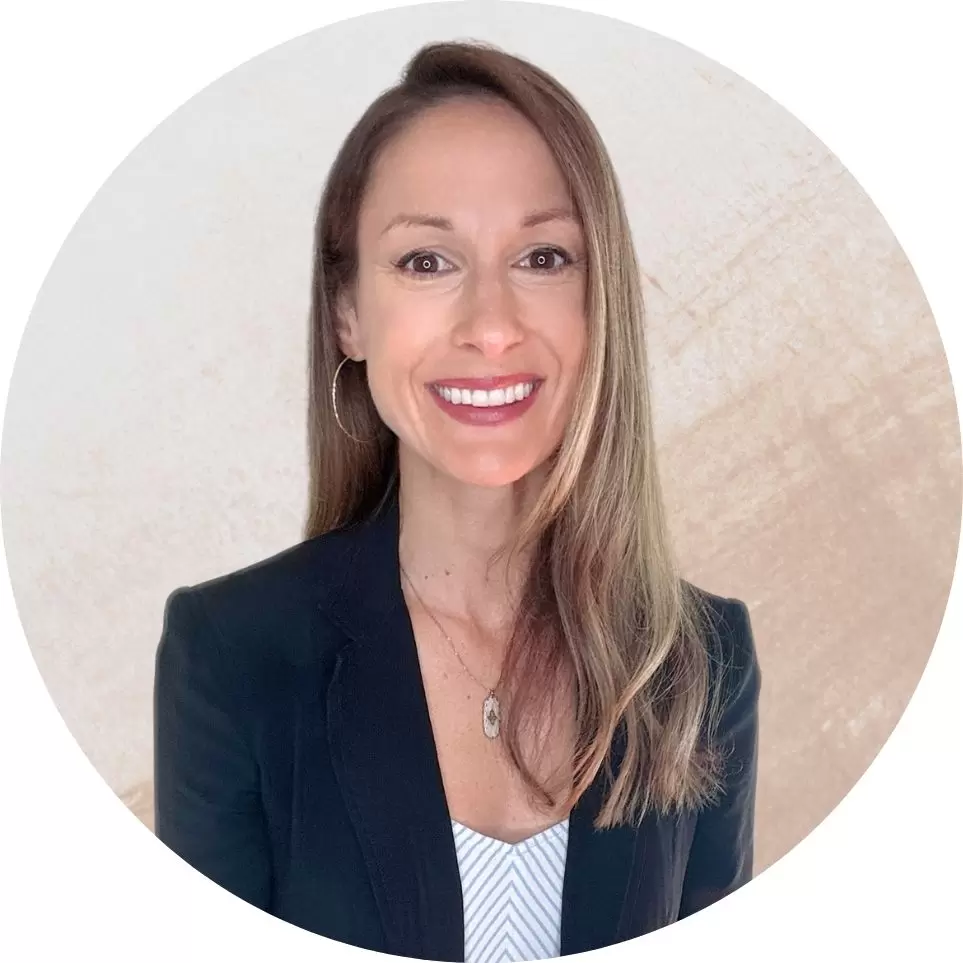
KATE JOHNSTON
Eating Habits & Weight Loss Coach
I help women in healthcare and perfectionists break their toughest eating habits like overeating and emotional eating, and lose weight sustainably.
Discover how by booking your free consult below.