Stop The Snacking Spiral
3 steps to start today to feel in control quickly. Video class + bonus tool to stay on track.
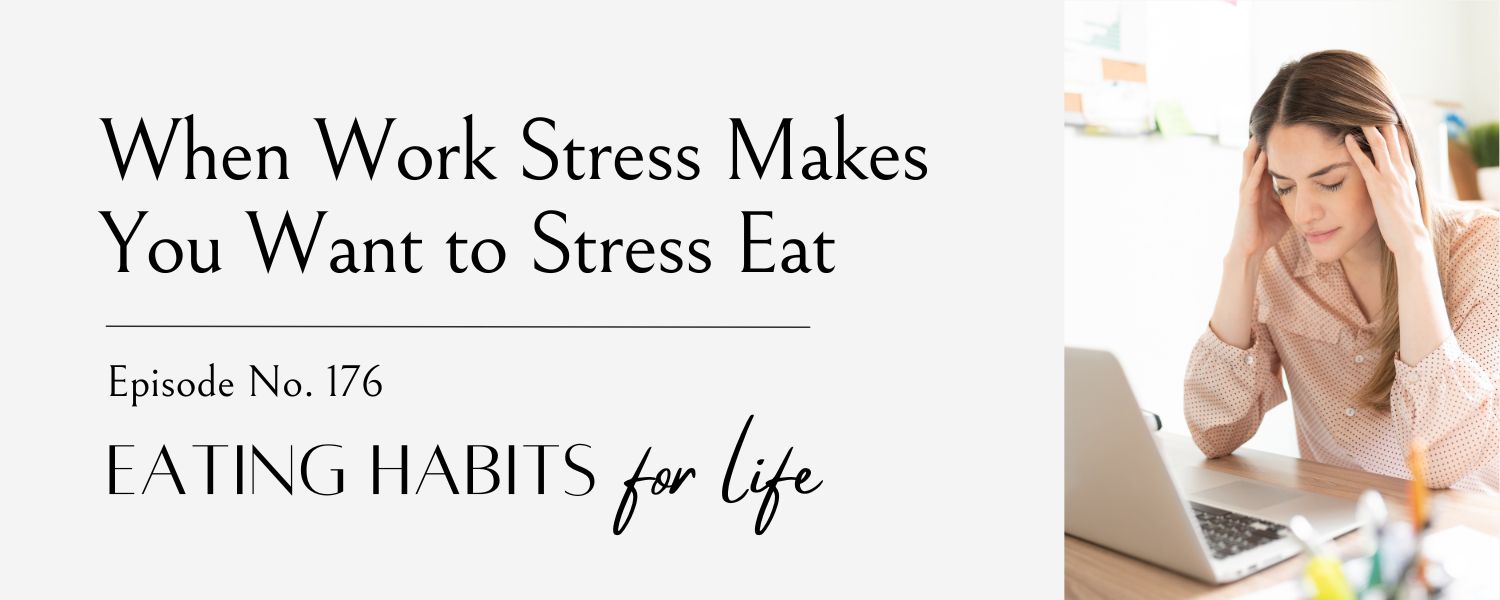
When Work Stress Makes You Want to Stress Eat
Work stress making you head straight for the snacks after a long day?
In this episode, I explain why stress eating happens (hint: it’s not about willpower), and how your brain creates and strengthens this habit.
You’ll learn how to train your brain to manage stress and emotions without turning to food, so you feel more in control and proud of your choices.
Perfect for busy career women who want to stop stress eating and start eating with intention.
🎧 Listen with the player below. Or, keep scrolling for the readable version.
Listen Now:
(If player is taking a while to load, just refresh the page.)
You’re ready to break free from unhealthy eating habits, lose weight and keep it off.
Your next step is to book a free consult with me.
Click the button to book now and start feeling in control with food and confident in your body.
Listen to This Next:
- 🎙️ Why Stress is Sabotaging Your Eating Habits (and What to do About it)
- 🎙️ How to Break Free from Emotional Eating After a Stressful Shift
Enjoying the Show?
Help others discover the podcast by leaving a quick rating or review! It makes a huge difference.
- Rate/review on Apple (iTunes) HERE
- Rate on Spotify HERE
Know someone who’d benefit?
📩 Send them this episode link!
📖Readable Version:
When Work Stress Makes You Want to Stress Eat
Hi there, and welcome to the Eating Habits for Life podcast. I thought it’d be really valuable to talk to you today about when work stress makes you want to eat, also known as stress eating.
What Stress Eating Looks Like at Work and After Work
For example, when you walk by the coffee machine and see the muffins or the doughnuts there and you grab one to help deal with the stress.
Or maybe you get home from work and your brain has one focus…go straight to the kitchen to dig into those cheesy, salty crackers or the dark chocolate.
The common theme? Work stress triggering that desire or urge to eat.
And if you’re nodding your head to any of these, or you’re thinking of your own version…I see you.
I used to do this as well. Snacks became my reward after a long and stressful day at work.
Why Your Brain Turns to Food Under Work Stress
Sometimes at work, I’d eat peanut M&Ms that a coworker brought in, even though I wasn’t typically a candy eater. But when stress is high and food is available, it’s easy to start a habit that sticks.
So first, I want to explain why this happens.
The Stress Response and Emotional Discomfort
Work stress, no matter how used to it you are, doesn’t feel good. You might notice physical symptoms:
- Increased heart rate
- Flushed face
- Sweating
- Tingling in your hands or feet
- Buzzing in your head
- Racing thoughts or brain fog
Everyone feels stress differently, but it’s uncomfortable, and your brain doesn’t like discomfort.
That primal part of your brain sees discomfort as dangerous and wants to escape it. Food becomes the easy solution.
How Stress Eating Becomes a Habit
When food brings pleasure and distraction from stress, even just temporarily, your brain remembers that relief.
The next time stress shows up, your brain nudges you toward that same food again. It doesn’t care if it goes against your weight loss goals or makes you feel worse later. It just wants fast relief.
Eventually, this response becomes automatic, and that’s when the habit brain takes over. You feel out of control because you’re no longer making intentional decisions…it’s your habit brain running the show.
What Doesn’t Work: Willpower, Restriction, or Eliminating Stress
Let’s talk about what the solution is not:
- Not willpower: It fades, especially when you’re mentally exhausted.
- Not restriction: That backfires and leads to overeating later.
- Not eliminating all stress: That’s unrealistic…we’re human. Stress will always exist.
Yes, you can reduce stress with healthy strategies (which I help clients do), but eliminating it entirely isn’t the goal.
What Does Work: Training the Intentional Brain
The real solution to ending stress eating is using the more intentional part of your brain, rather than the habit brain.
This part helps you slow down, make conscious decisions, and weaken the habit link between stress and eating.
Every time you do that, you’re breaking the automatic pattern and creating a new, healthier one.
Real-Life Example: Breaking the Habit Loop
One client used to binge on nuts and dates after work due to stress. With coaching, she started:
- Using her intentional brain
- Journaling her thoughts
- Taking deep breaths before walking into the house
Now she no longer turns to food automatically. She created new stress management habits, and loves them.
Managing Your Thoughts About Stress
Beyond stress relief techniques like breathing, walking, or music, another key step is managing your thoughts about stress.
Ask yourself:
- What am I thinking about this meeting or deadline?
- How am I viewing my schedule?
- What thoughts are making this feel worse?
Changing your perspective reduces the intensity of stress and the urge to eat in response.
Replacing the Habit with a Healthier One
Once you’re managing your stress and thoughts without food, the next step is to create a new habit using that same habit brain, but this time for something helpful.
This makes stress more manageable and puts you back in control of your habits.
Imagine What’s Possible
Imagine:
- No more stress eating after work
- Managing stress in ways that leave you proud
- Feeling emotionally and physically healthier
- Losing weight without relying on willpower
All from training your brain to respond differently.
Recap: Why You Stress Eat—and How to Stop
Here’s the big picture:
- Work stress + food = temporary relief → becomes habit
- Your brain is just doing what it’s wired to do…it’s not weakness
- The solution: Stop relying on willpower or restriction and start using the intentional part of your brain
- Manage the emotion of stress and your thoughts about it
- Create new, helpful habits using the same brain pathways
Want Help Breaking the Stress Eating Cycle?
This is the process I use in my 1:1 coaching program, Eat with Intention.
You come in feeling out of control and leave feeling empowered around food…even desserts, salty snacks, and pizza. Because now you eat them intentionally, not automatically.
If you’re struggling with stress eating or any eating habit that makes you feel stuck or frustrated, I’d love to help.
📅 Book a free consultation here
We’ll uncover what’s really going on and talk through a doable path forward.
Final Note
If you know someone who’s struggling with stress eating, please send this episode their way.
So many career women blame themselves, thinking they’re weak or broken. But really, it’s just how the brain works.
This small act of kindness could make a big difference.
Thanks so much for listening.
Take care and I’ll talk with you next week.
Ready to feel lighter?
A lighter body. Lighter relationship with food. Lighter emotional load. Lighter burden around eating.
A lighter way of living — for life.

KATE JOHNSTON
Eating Habits & Weight Loss Coach
I help high-achieving women change their eating habits at the root to support the life & body they love.
Book a free consult for your roadmap to a healthy relationship with food and weight loss you can keep.